The Cold-Room Shuffle: A Fog-Free Winter Storage Routine for UK Camera Kits
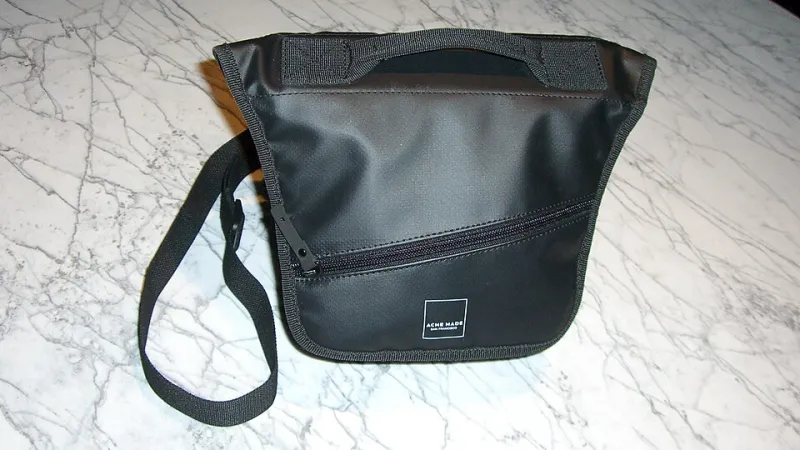
Photo: Edvvc from London, UK, CC BY 2.0, via Wikimedia Commons
Winter in the UK has a particular talent for making camera gear feel damp even when it has not been rained on. You come in from a cold market shoot, put the bag down in a warm hallway, and twenty minutes later the front element is wearing a little cloud. That is not a lens fault. It is condensation, and it is much easier to prevent than to fix once it has settled into your kit.
At PhotoClear, we are not fans of gear-care advice that starts with buying a dehumidifier cabinet and ends with a spreadsheet. Most small-business photographers and makers are working from a spare room, a shared flat or a cupboard under the stairs. The aim here is a routine that fits that reality: stop fogged lenses, reduce mould risk and avoid the mystery softness that shows up when glass has been stored badly.
Why a warm flat is the problem, not the cold
A cold camera is not automatically a wet camera. The trouble starts when cold gear meets warm, moist indoor air. The water vapour in the room condenses on the coldest surface available, which is usually your lens barrel, viewfinder or sensor cover glass. In a UK flat in November, indoor humidity can sit high enough for that to happen quickly, especially in kitchens, bathrooms and rooms where washing is drying.
The mistake many of us make is to bring the kit in and immediately unpack it to check for raindrops. That exposes cold glass to warm air at exactly the wrong moment. The better move is boring and effective: leave the camera inside its bag, close the zip, and let the whole lot warm up gradually. Think of it as the cold-room shuffle. The gear comes in, but it does not come out until it has had time to settle.
The twenty-minute rule is a starting point, not a guarantee
A common figure is twenty to thirty minutes for a camera bag to acclimatise. In practice, it depends on the bag, the room and how cold the kit was. A small mirrorless body in a thin pouch may be fine in half an hour. A padded rucksack with a tripod strapped to the outside can take longer, because the metal and glass inside are still catching up.
A simple habit is to bring the bag in, put it somewhere away from radiators and direct heat, and set a timer. Do not open it to check. Do not take the card out. Do not start chimping through the last job. If you need the images urgently, take the card out at the door if your camera allows it, then leave the rest alone. For most small-business work, the files can wait while the gear equalises.
If you are going the other way, from a warm flat into cold air, condensation is less of an immediate issue. The bigger risk is rain and splash, followed by bringing a wet bag back into a warm room. A rain cover or even a dry bag inside your rucksack helps, but the real win is not storing the kit wet in the first place.
Dry the outside, not the inside
When you do unpack, resist the urge to wipe the lens with a cloth straight away. If there is visible moisture on the front element, blot it gently with a clean microfibre and let the rest evaporate naturally. Wiping a fogged lens can smear whatever is already on the glass and, if grit is present, turn a minor annoyance into a scratch.
For the bag itself, empty it properly at the end of a wet day. Remove the camera, lenses, batteries and any cloths. Leave the bag open in a ventilated room overnight. If the bag has a rain cover, take it off and let it dry separately. A rucksack that stays zipped with a damp strap inside is basically a small humid chamber, and your lenses are the guests nobody wants.
Silica gel is not a magic trick
Silica gel sachets are useful, but only when they are dry. The little packets that come with new gear have a limited capacity, and in a damp UK flat they can become saturated faster than you think. If your sachets are the colour-indicating type, recharge them when they change colour. If they are not, replace them periodically or dry them gently according to the manufacturer's instructions. Do not put them in a hot oven and hope for the best.
A small airtight storage box with a couple of rechargeable silica packs is a sensible middle ground for lenses that are not in daily use. Add a cheap hygrometer so you can see what is actually happening. You are not aiming for desert-dry conditions; you are trying to avoid persistently humid air around your gear. If the box reads high and stays high, recharge the silica and check the seal.
Storage spots that work in small flats
Airing cupboards are tempting because they are warm and dry, but they can also be too warm and too close to hot-water tanks. A cool, dry cupboard in a living space is usually better than a bathroom shelf or a windowsill where condensation forms overnight. Avoid storing cameras in a case that lives on the floor next to an outside wall, especially in older flats where that wall can feel cold and slightly damp.
If you work from a small studio, give the kit a dedicated shelf rather than leaving it in the bag between jobs. Air can move around it, and you are less likely to forget a damp strap or a pair of wet gloves in the bottom of the rucksack. For makers and small businesses shooting products at home, keep the camera away from steaming kettles, drying laundry and the kitchen sink. It sounds obvious, but winter routines have a way of collapsing when you are busy.
A simple end-of-day checklist
Before you put the kit away, run through the same short list: bring the bag in and let it acclimatise before opening; remove wet items and dry the outside of the bag; leave the bag open overnight; recharge silica if needed; check that lenses are capped and dry; store the kit in a ventilated cupboard rather than a sealed damp case. None of this requires new gear. It just requires a bit of sequence.
The payoff is not glamorous. It is a lens that stays clear when you need it, fewer unexplained soft frames, and less risk of mould quietly setting up home in a lens you only use for occasional product jobs. Winter photography in the UK is already a negotiation with the weather. Your storage routine should not be another variable.