The Polite Route: High-Street Photography With Permission Built In
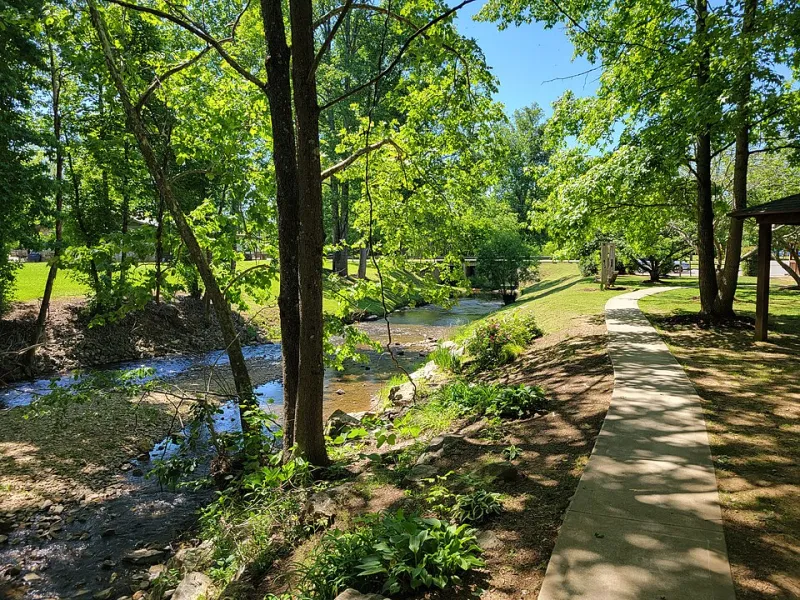
Photo: John Phelan, CC BY 4.0, via Wikimedia Commons
High-street photography has a myth problem. The myth says you can photograph anything from a public pavement, so long as you look confident and keep moving. The reality is messier: the shopkeeper who wants to know why you are photographing her window display, the market trader who has had a bad week, the parent who does not want their child in a client's Instagram grid. Confidence is not a permission slip. A plan is.
This is a practical route for UK creatives and small businesses who need honest high-street images without the awkward tap on the shoulder. It is not legal advice; it is a working method for keeping shoots calm, clear and usable.
Walk the route before you shoot it
Give yourself ten minutes with no camera. Walk the high street and mark the stops that matter: the café with the good sign, the charity shop window, the market pitch, the mural at the end of the row. Note where private forecourts begin, where deliveries block the pavement, and where a bus stop or school gate makes a quiet frame unlikely.
Choose six to eight stops, not twenty. Build in a buffer. A route that assumes every conversation will go your way is not a route; it is a wish. Sunday morning before the cafés fill, or a weekday lull between the lunch rush and school pick-up, will often give you cleaner backgrounds and calmer staff.
Bring a one-page release, a pen, and a note on your phone for verbal permissions. Wear something that says photographer rather than inspector: a visible ID badge or a lanyard is enough.
Use a three-tier permission rule
Not every frame needs the same conversation. Sort your shots before you start.
Tier one: general street scene. You are photographing the street, not a person. Keep faces incidental, stay off private land, and do not block doorways. If someone becomes the clear subject, move up a tier.
Tier two: a shopfront where the signage or brand is the point. Ask the manager or a staff member. You may be standing on public pavement, but for a client's marketing you want the business onside. Say what the project is and offer a copy.
Tier three: people, products, interiors and public art as the subject. Ask first. For staff, ask the manager and then the person. For customers, ask the shop and the customer, and never photograph children without a guardian's agreement. For branded products, if the item is the focal point, get the shop's or brand's permission. For public art, remember that a mural or sculpture may have its own copyright; if it is central to a commercial shot, ask the council or the artist.
What to say at the counter
Keep it short. Do not explain your whole career while someone is holding a mop.
For a shopfront: 'Morning, I'm photographing the high street for a local business project. Would you be happy for me to take a few frames of the frontage? I can send you a copy and I won't photograph customers.'
For staff: 'I'd like a quick portrait of the team for this project. It would be used on the website and social media. Are you comfortable with that? You can say no and I'll shoot around you.'
For a customer: 'Sorry to interrupt. I'm taking photos for a local project. Would you be okay to appear in one? If not, no problem at all.'
If the answer is no, thank them and move on. Do not photograph the back of their head and call it incidental. That is how a polite route becomes a reputation problem.
Keep a consent record you will actually use
A consent record does not need to be a legal document. It needs to be findable. For each stop, note the date, time, location, name and role if given, what was shot, where it will appear, how long consent lasts, and who asked.
For verbal consent, write 'verbal consent logged' and note a witness if there is one. For written consent, use a one-page release in plain English. Store it with the shoot folder, not in a drawer. If a client asks for proof six months later, you want to find it in ten seconds, not promise to dig it out.
Edit for truth, not for ease
Honest editing means not using Photoshop to manufacture consent. Do not clone out a face, a logo or a piece of public art because asking felt awkward. Do not erase a 'no photography' sign. If a frame only works with a person removed, shoot again at a quieter time or choose a different frame.
If you need to obscure a face for privacy, use a natural blur and caption it. Do not pretend the street was empty. For shopfront reflections, fix contrast and colour, not the truth of the scene. A slightly busy pavement is usually more convincing than a high street that looks like a film set after everyone has gone home.
A short pre-shoot checklist
- One-page release and a pen
- Phone note template for verbal consent
- Visible ID or lanyard
- Route map with private land marked
- Quiet-time slot, not just a hopeful one
- Client's usage list: website, social, print, client gallery
- Backup plan for refused stops
The polite route is not slower. It is just less likely to end with someone asking you to delete a photo in front of a queue. Ask first, shoot straight, and keep the record. That is how high-street photography stays useful, honest and repeatable.